A workshop I designed and led at FAB26 on the shift from running spaces to orchestrating territories, from the fab lab that faces inward to the hub that becomes its territory’s active node.
- Event
- FAB26, Boston
- My role
- Workshop design & lead
- With
- Adriana Cabrera, Tibet Sprague & Vaibhav Chhabra
- Theme
- From fab labs to territorial orchestration
A fab lab faces inward: it teaches the tools, runs open innovation, makes things behind its own four walls. A hub faces outward, it senses the ground, gets the right people to decide, makes the response, then feeds what it learns back to the network. The move is from Products In, Trash Out to Data In, Data Out.
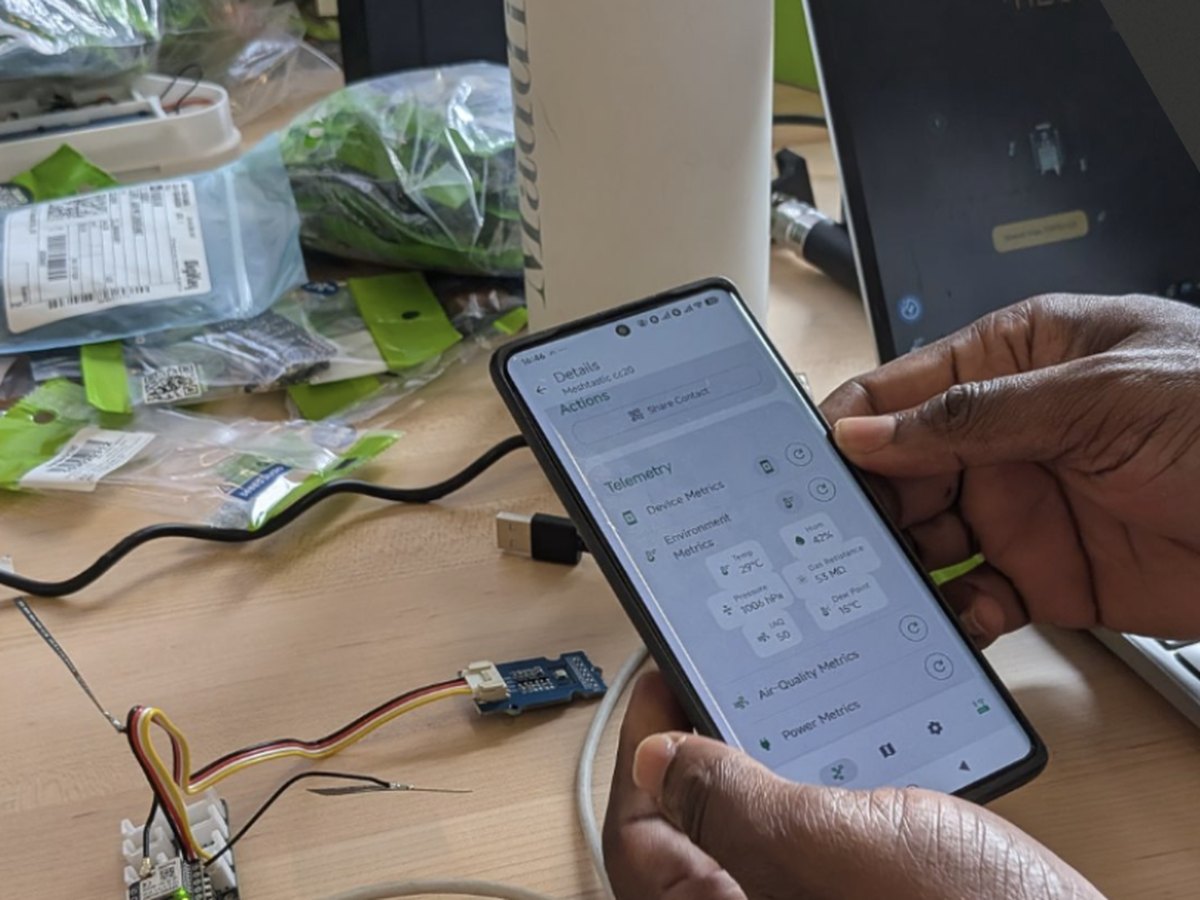
We framed the three jobs only a hub can do: Orchestrate on a commons the community owns rather than rents (launched live on Hylo), Sense the ground with residents rather than from a dashboard, and Ingest data that counts into the Fab City Index.
City showcases
Tibet Sprague (Hylo), standing up a coordination commons a community owns, and closing one real decision in the open (orchestrate). Adriana Cabrera (Bergisches Land), mapping one local waste stream with the region’s makers and turning a reading into a reuse decision (sense). Vaibhav Chhabra (Makers Asylum, Goa), one open design becoming a distributed factory: 1M+ face shields in 49 days (orchestrate + make).
At each table, participants filled an ecosystem canvas to find the single smallest, fundable next step that moves their makerspace toward being their city’s R&D infrastructure, one need, one decision, one euro in, one thing back, with a named partner and a proof metric. Each canvas became a credited entry in Hub Manual v1.